



New Canadian research has found multi-sport participation may act as a protective factor against non-participation in sport and physical activity later in life.
The Monitoring Activities of Teenagers to Comprehend their Habits (MATCH) study examined the sport participation profiles of 916 adolescents over 8 years (surveying them three times a year from age 10 to 18 years). The study found that multi-sport participants were unlikely to become classified as non-participants over time.
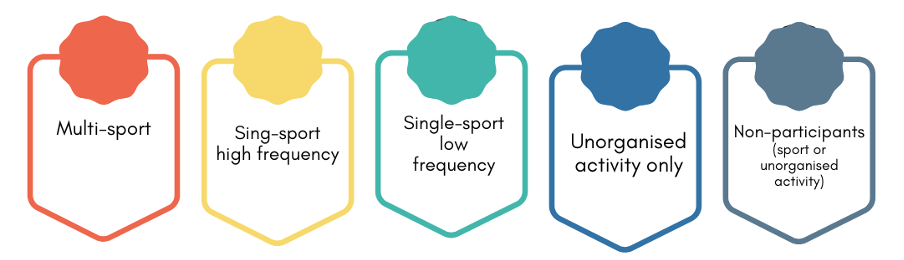
The same could not be said for adolescents who were profiled as participating in single-sport high frequency, single-sport low frequency or unorganised activity only.
This new finding adds to the the additional benefits we’ve previously discussed about multi-sport backgrounds for young people, such as:
- Improved skill development
- Improved psycho-sical development
- Increased ‘match efficacy’ (i.e. finding a sport you suit and enjoy the most)
- Countering the risks associated with early specialisation
Transitions
The MATCH study also observed significant shifts in the profile of adolescents’ sport participation following windows of significant transition.
For example, the transition from middle school to high school correlated with many young people changing from multi-sport to single-sport high frequency, and many others changing to non-participation.
This parallels some of the findings around transitions discussed in Sport New Zealand’s Secondary Age Review.
New entrants to secondary schools are being asked to trial for sports teams before they have developed the social and other networks that will support their experience. Students lacking confidence, in particular, will opt out of trials and may find it difficult to re-enter the sport system.
This begs the question, how proactive are we (adults who support youth sport) when it comes to thinking about major transition windows in young people’s lives, i.e:
- Primary → Secondary
- Junior → Senior
- Secondary → Post-secondary (employment or tertiary study)
Have you or your organisation come up with anything innovative to keep young people involved in sport as they transition through these windows? If yes, let us know.
Photo by Alliance Football Club on Unsplash
