



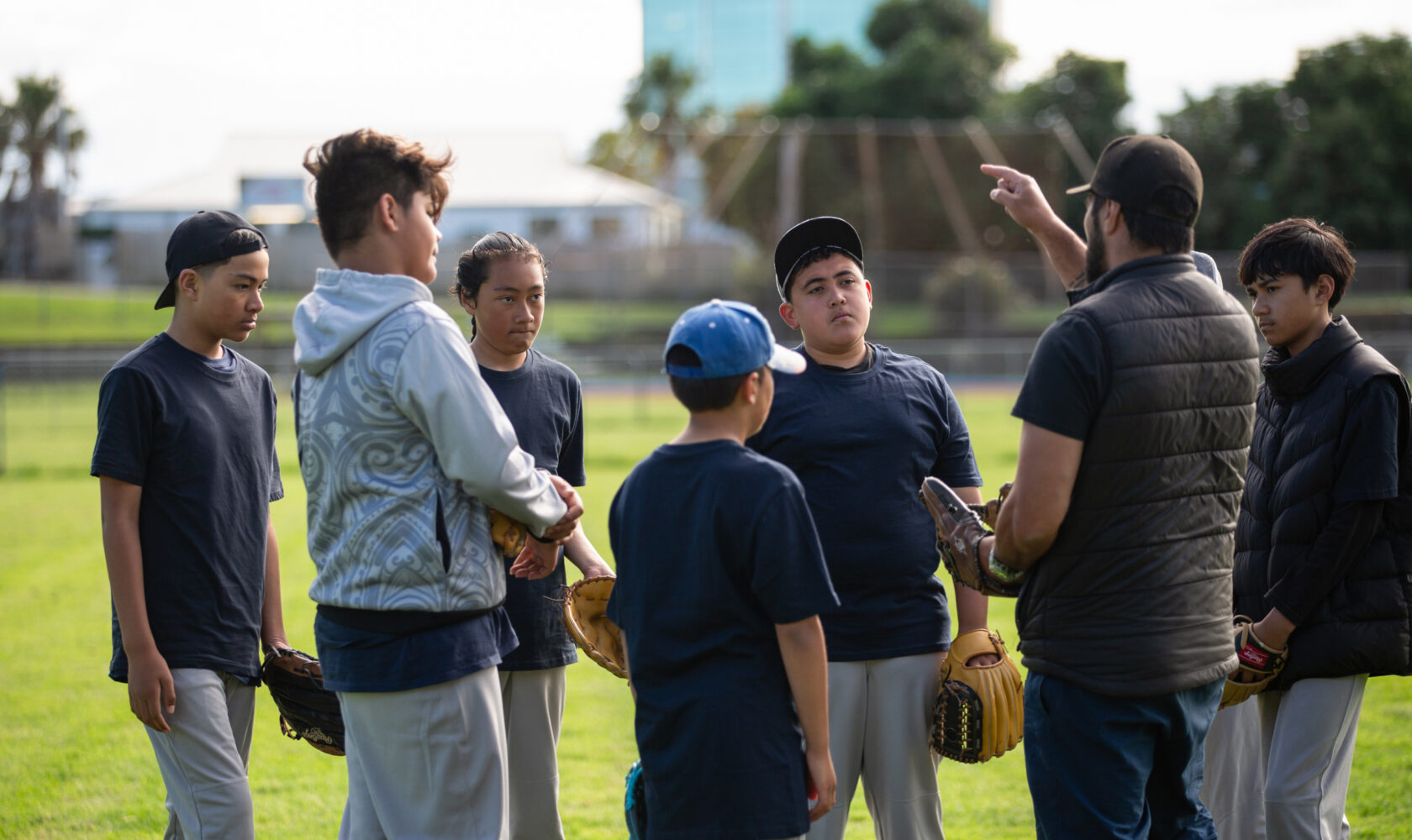
Being both a parent and a coach can be rewarding and challenging. The key is finding the right balance so your child, their teammates and you all have a positive experience.
Here are 5 practical tips to help you coach your own child well, while keeping sport enjoyable and fair for everyone.
1. Set clear boundaries between ‘parent’ and ‘coach’
One of the hardest parts of being a parent‑coach is switching between roles. Clear boundaries help protect your relationship with your child and support fairness within the team.
Try these tips.
- At training and on game day, be “Coach” – not Mum or Dad.
- Keep the car ride home as family time. Let your child lead any sport conversations.
- Leave practice and game outcomes at the field. At home, be a parent first.
Clear boundaries help your child feel supported and help teammates see that everyone is treated fairly.
2. Be fair, and be seen to be fair
Parent‑coaches often worry about giving their child too much or too little attention. Both can create pressure and discomfort.
Focus on:
- treating your child the same as every other player
- avoiding over‑correcting or being harder on them than others
- using equal playing time where possible to remove pressure.
Fairness builds trust – with your child, their teammates and other parents.
3. Manage expectations – yours and theirs
As a parent‑coach, you’re balancing the expectations of your child, the team, other parents and yourself. That’s not easy.
Try these things.
- Have open conversations with your child about what they want from sport.
- Focus on effort, learning and enjoyment – not outcomes or results.
- Be realistic about development and remember that progress looks different for every young person.
When expectations are clear and realistic, sport is more enjoyable for everyone.
4. Encourage independence and choice
Sport is a chance for young people to learn, make decisions and build confidence – especially when parents are involved.
Support independence by:
- letting your child speak to you as their coach, not relying on the parent role
- encouraging them to problem‑solve and reflect on their own experiences
- giving them space to enjoy sport in their own way.
This helps young people feel capable, confident and more in control of their sporting experience.
5. Keep sport fun and positive
At its best, sport helps young people feel connected, capable and confident. As a parent‑coach, your influence is powerful.
Remember to:
- celebrate effort, improvement and teamwork
- keep feedback simple, constructive and age‑appropriate
- model positive behaviour – how you respond matters.
When sport feels safe, fair and enjoyable, young people are more likely to stay involved and keep coming back.
