



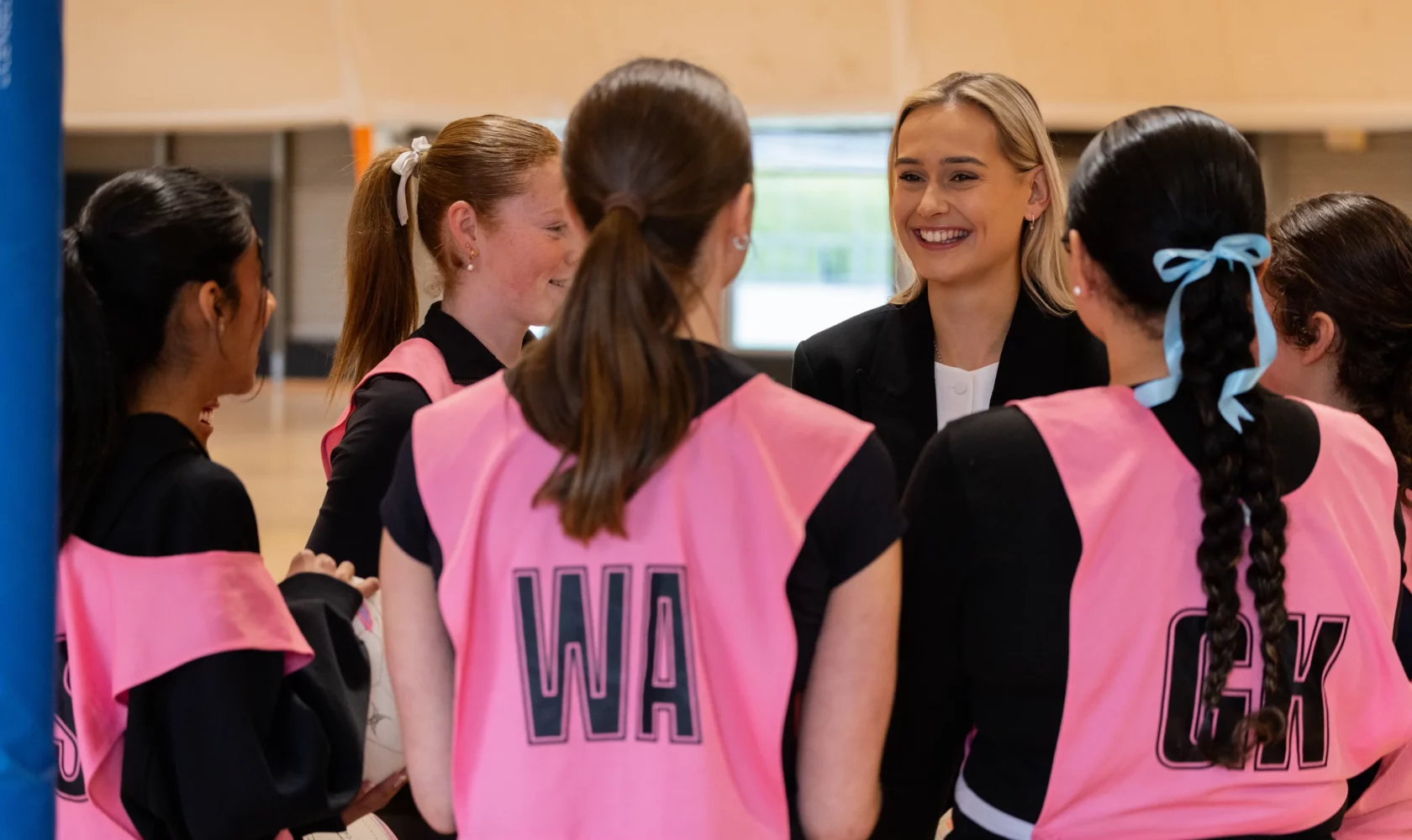
Recent research highlights the important role coaches play in helping young people build confidence, feel connected and enjoy being active. It also reinforces something many of us already know: the impact coaches make often extends well beyond training sessions and game days.
The research found coaches help young people:
- build confidence and self-belief
- feel welcomed, connected and part of a team
- enjoy positive experiences in sport
- develop skills on and off the field.
It’s not always about the sport
Ask young people what they remember most about sport, and it’s rarely a scoreline or result.
- It’s the coach who encouraged them to keep trying.
- The coach who made training enjoyable.
- The coach who welcomed them into the team.
- The coach who helped them feel like they belong.
Research confirms that volunteer coaches are widely recognised for helping build confidence, wellbeing and connection within their communities.
The things that matter most
One of the most interesting findings from the research was how coaches define success.
When volunteer coaches were asked what makes them feel like they’ve done a good job, winning wasn’t at the top of the list.
Instead, coaches placed the most value on seeing young people:
- have fun
- improve their confidence
- develop their skills
- want to come back next season.
These are the kinds of positive experiences that can encourage young people to keep enjoying sport.
Coaching leaves a lasting mark
A kind word before a game.
A conversation after training.
Believing in a young person before they believe in themselves.
These moments can have a lasting impact.
The research shows that 68% of people believe volunteer coaches help build confidence and self-belief, while many also recognise the role coaches play in supporting wellbeing and creating a sense of belonging. This shows the impact of a coach often extends well beyond sport.
Thank you, coach
Thank you to the coaches who give their time to help others enjoy sport.
Thank you to the coaches who support young people through challenges, who create welcoming environments and help develop a lifelong love of sport.
Thank you for the difference you make, often in ways you may never fully see.
About the research
The insights in this article draw on nationwide volunteer coaching research commissioned by Bunnings New Zealand and conducted by Honoco, alongside Sport NZ’s synthesis of research and data about volunteering in sport and active recreation.
Bunnings commissioned the research to better understand the experiences, motivations and impact of volunteer coaches and identify practical ways to attract, support, recognise and retain them alongside their Coaching Legends initiative. View the research report.
Sources
- Volunteer coaches report from Honoco for Bunnings (2026)
- Volunteering in Sport and Recreation: A Synthesis (2026)
