



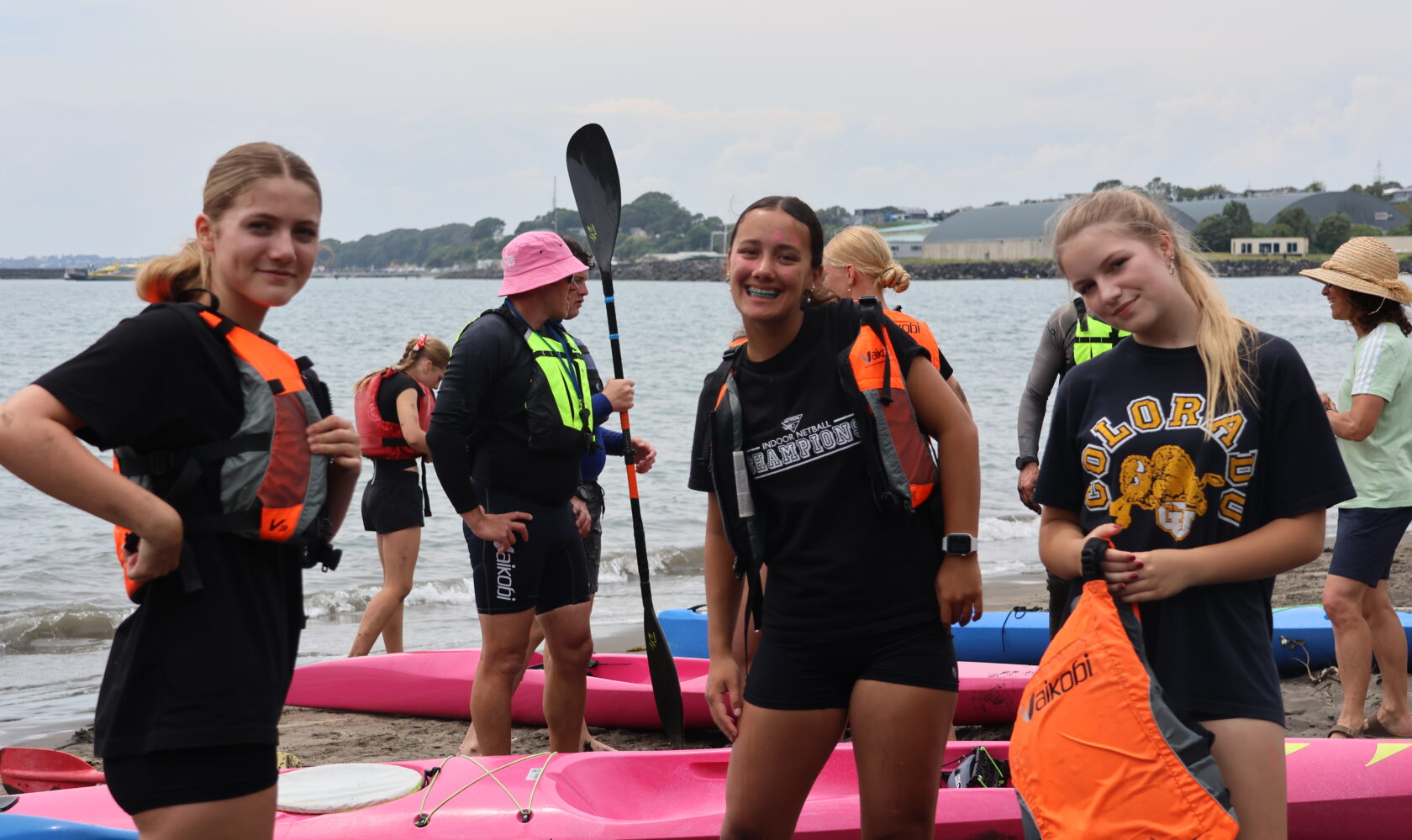
Not every young person is looking for the same thing from sport and physical activity. While some enjoy traditional competitions, others are looking for opportunities that are more social, flexible or focused on participation.
A recent Sport NZ case study explores how Taranaki Secondary Schools Sports Association (TSSSA) worked with schools and students to better understand girls’ experiences of sport and create opportunities that reflected their needs and interests. Over 3 years, this approach helped increase participation, particularly through social and entry-level activities alongside traditional sports competitions.
Here are some of the key lessons that emerged:
Make activities fun, social and welcoming
One of the strongest learnings from the case study was the importance of creating experiences that young people want to be part of. Opportunities that were fun, social and welcoming helped more girls get involved and stay involved.
Give young people a say
Young people’s voices played an important role in shaping activities and opportunities. Understanding their experiences and listening to their ideas helped ensure opportunities better reflected what participants wanted and needed.
Offer different ways to participate
The case study highlights that participation can grow when organisations provide more than one way to get involved. Alongside traditional competitions, social and foundation activities helped engage a wider range of participants.
Use data to guide decisions
TSSSA used participation data and student feedback to better understand who was participating, who was missing out and where support was needed. These insights helped inform decisions and conversations with schools.
Work together to find local solutions
The case study showed the value of working alongside schools and communities to identify barriers and develop solutions that reflected local needs and circumstances.
Keep listening and adapting
Perhaps the biggest lesson is that there is no one-size-fits-all approach. Continuing to listen, learn and adapt based on feedback and participation trends helped ensure opportunities remained relevant to young people.
The final takeaway
This case study reinforces an important lesson: not every rangatahi wants the same sport experience. By listening to young people, offering different ways to participate and creating fun, welcoming environments, we can create more opportunities for young people to enjoy being active in ways that work for them.
