



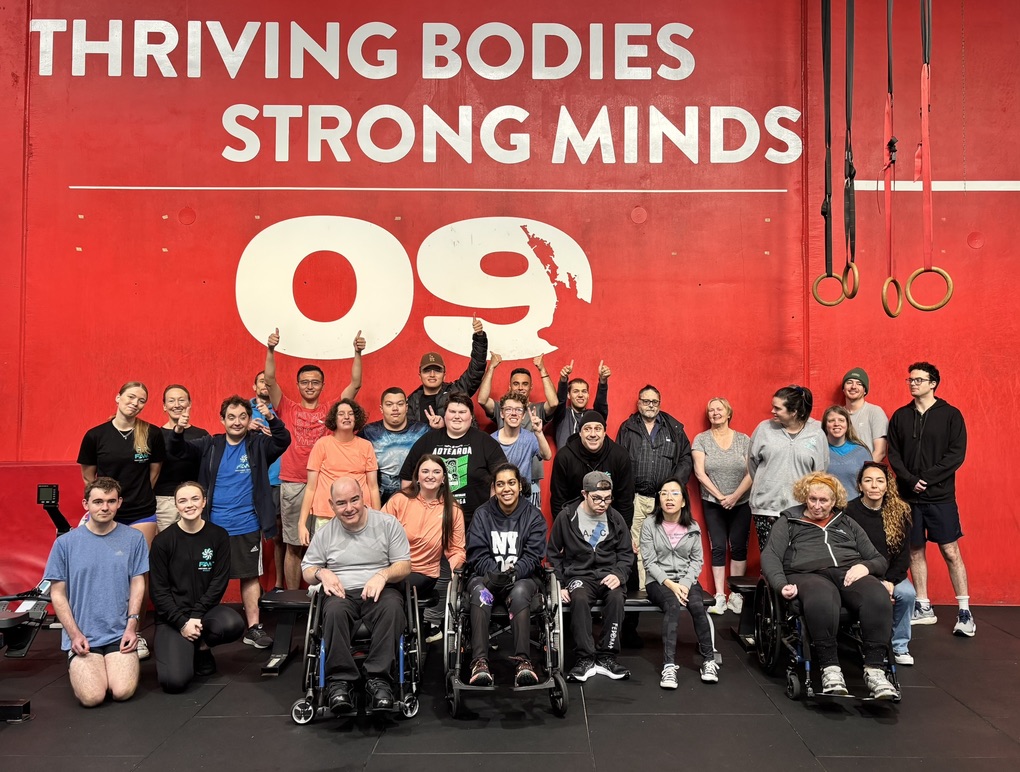
Every young person deserves the opportunity to participate, feel welcome and have a positive experience in sport and recreation.
New guidance developed by Recreation Aotearoa in partnership with Sport NZ and BarrierFree sets out practical advice to help make indoor spaces more accessible, welcoming and easier for more people to use.
Whether you’re planning a new facility, improving an existing one, managing a venue or advocating for change, the guidance provides practical tools and best-practice advice to support more accessible and welcoming indoor spaces.
Here are some ways different people can use the guidance to identify barriers, influence decisions and help make indoor spaces more accessible.
If you’re a coach or activity leader:
- think about how young people with different needs will experience both your activity and the indoor spaces where it takes place
- use the guidance to help identify barriers and provide informed feedback to venue managers or facility operators.
- offer flexibility where possible, such as different ways to participate or learn new skills
- use clear communication and check that everyone understands what is expected
- create an environment where every young person feels respected, valued and able to contribute.
If you’re a club, school or sport administrator:
- consider whether the indoor spaces you use are accessible and welcoming for a wide range of participants.
- use the guidance when choosing venues, planning upgrades or advocating for improvements to indoor facilities.
- consider whether information about programmes, registrations and events are easy to find and understand
- look for barriers that could make it harder for some young people or whānau to participate
- ask participants for feedback and use it to improve the experience over time
- make inclusion and accessibility part of planning, not an afterthought.
If you manage facilities or venues:
- think about how easy it is for people to enter, move around and use the space
- check whether key parts of the facility are easy to find, move through and use, including entrances, toilets, changing areas, viewing areas, signage, lighting and acoustics
- engage with people who have lived experience of disability and other access needs to better understand barriers
- use the guidance to prioritise improvements that will make the biggest difference for people who use your facility
- recognise that accessibility is an ongoing process and regularly review opportunities to improve your facility.
If you’re a parent or caregiver:
- use the guidance to help advocate for improvements that would make facilities easier for your child and others to use
- let coaches, organisers and venue managers know if adjustments would help your child have a better experience
- look for environments where young people feel safe, supported and able to be themselves.
Creating more accessible indoor facilities is not always about major upgrades. Small improvements can help remove barriers and make it easier for more people to participate in sport and recreation.
Read the full guidance on creating accessible and welcoming indoor spaces and places.
