


Young people want to be active. But as they get older, how they choose to be active changes.
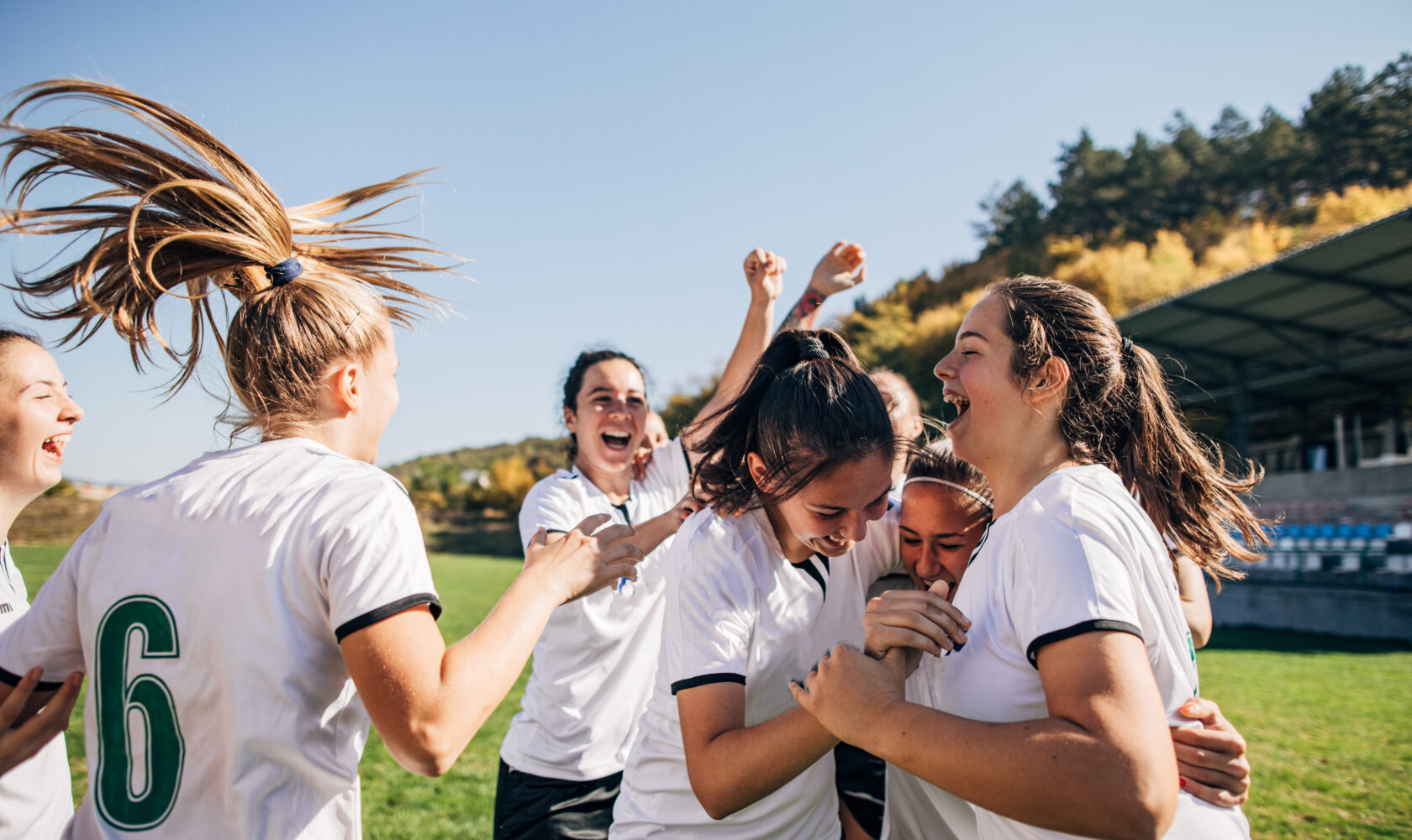
The latest Active NZ survey findings show rangatahi increasingly want flexibility and choice. More are exercising independently and going to the gym. But that doesn’t mean organised sport is disappearing from their lives. Many young people do both.
That matters for anyone creating sporting experiences for rangatahi.
It doesn’t have to be sport or gym
Think about a teenager who plays netball in winter, goes to the gym with friends and heads out for a run when it suits them.
Those activities are not necessarily competing with each other. They can all be part of how that young person chooses to be active.
Active NZ found that 83% of young people take part in informal activity. Independent exercise is also growing among rangatahi, while 32% of 15 to 17-year-olds now have a gym membership, up from 23% in 2017.
At the same time, the report shows organised sport still matters. Young people who belong to a club or participate in a school team are more likely to meet the physical activity guidelines than those who do not.
What gets in the way changes as young people get older
The other important finding is that a 16-year-old may need something quite different from sport than an 8-year-old.
For rangatahi, interest and motivation become bigger hurdles to being active. They may feel too tired, struggle with motivation, worry they are not fit enough or prefer to do other things. Support from others and feeling confident also matter more as young people get older.
That means the questions we ask need to change too.
Does sport fit around school, work and everything else in their week?
Do they have some choice over how they take part?’
Do they feel welcome and confident when they turn up?
Is there someone they trust who can help them get started?
Some rangatahi have more hurdles than others
We also need to remember that not every young person starts from the same place.
For rangatahi belonging to 3 or more groups that are less likely to meet the physical activity guidelines, 37% meet the physical activity guidelines. For rangatahi who don’t belong to any of these groups, 64% meet the guidelines.
But importantly: 79% of those rangatahi still want to do more physical activity.
So when a young person is not taking part, we should be careful about assuming they are simply not interested.
There may be other things getting in the way.
What can we do?
The findings give us a pretty clear place to start.
Keep offering great organised sport. But make room for how young people’s lives are changing.
That could mean:
- giving young people more choice and flexibility
- finding ways to reduce cost and access barriers
- sharing clear information about what to expect
- helping young people build confidence
- asking rangatahi what would make sport work better for them.
There isn’t one right way for a young person to be active.
The opportunity for sport is to keep being one of the ways they want to be.
